
The Dangers of Private Inurement
Private inurement and excessive benefit transactions can cost a minister or administrator of a nonprofit up to 25 to 200% times the excessive benefit, cause a church or nonprofit to lose its tax exemption, and cause other church leaders or board members to pay a hefty penalties as well.
Private Inurement Q&A:

In today's environment, it behooves churches and nonprofits to ensure that everything is IRS compliant and that nothing even remotely could be considered inurement or excessive benefits.
In March of 2008, Congress updated and tightened regulations in Section 4958 of the Internal Revenue Code. This section gives the IRS the power to heavily penalize churches and their leaders for inurement violations.
What is private inurement?
Inurement happens when a transaction or exchange occurs and an individual with a personal interest (an insider) in the exempt organization activities acquires economic gain through the use of funds or assets of that exempt organization.
What is an insider?
An individual who has significant influence over the organization. Insiders could include the minister, board members, officers, founders, major donors, family members of any of the above, and in certain circumstances, employees.
What is excessive benefit?
Excessive benefit occurs in a transaction or exchange between a tax-exempt organization and one of its "insiders" that furthers private interest, rather than the public interest. (IRC Section 501(c)(3); IRS Treasury Regulation 1.501(c)(3)-1(c)(2)).
See more on excessive benefit transactions!
Examples of Private Inurement:
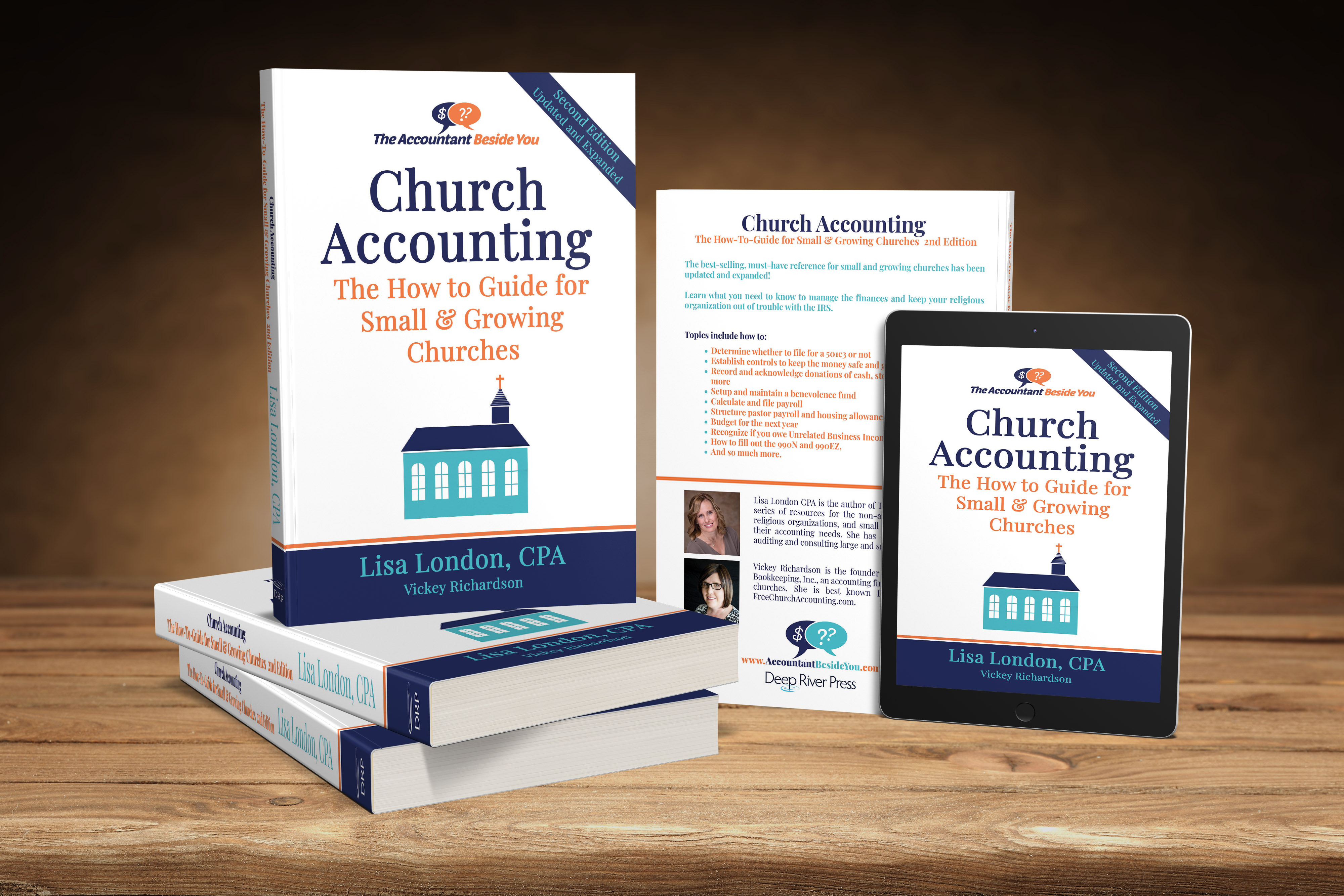
This How To Book for Churches is packed full of tips for:
- setting up internal controls,
- cash out-controls for debit/credit cards
- setting up an effective fund accounting system,
- handling and tracking contributions,
- setting up compensations for a minister,
- handling a payroll for a church
- preparing nonprofit financial statements,
- and much more.
The most common example is: "excessive compensation", which the IRS condemns through intermediate sanctions (significant excise taxes) for up to 200 percent times the excess benefit.
Be aware this could be something as simple as giving the pastor a percentage of the offerings and not putting a cap on it. See this page on minister's compensation.
More
examples include the payment of dividends, the payment of unreasonable
compensation to insiders, and transferring property to insiders for less
than fair market value. Giving the pastor a car without including the FMV of the car in his reported wages could be an example of inurement.
An important tip to remember is that no asset should be in anyone's name but the church.
See more examples of private inurement and excessive benefits!
Inurement Penalties:
Inurement is an absolute term. It is strictly prohibited in all nonprofits. There is no de minimis (of minimum importance) restriction.
At the very least an organization may lose its nonprofit status. Also, the IRS may impose an excise tax (immediate sanctions)on any insider who improperly benefits from an excess benefit transaction, as well as an organization managers, leaders, board members who allowed the excessive benefit.
An insider who benefits from an excess benefit transaction is also required to return the excess benefits to the organization. Detailed rules on excess benefit transactions are contained in the Code of Federal Regulations, Title 26, sections 53.4958-0 through 53.4958-8.
Quick Links: Home | Blog | Newsletter | Free Spreadsheets
Products: Church Accounting Book | Church Accounting Package | Spreadsheet Package
Support: FAQ | Church Accounting FAQ | Contact
Site/Company Info: About | Terms of Use | Site Map


By Vickey Boatright Richardson Copyright © 2008-2024 All rights reserved
